



Since its initial introduction in the 1980s, shockwave has evolved into one of the most sought-after regenerative technologies in the world. Medical professionals in the U.S. and around the globe celebrate its evidence-based, non-invasive approach. Today, finding the best shockwave therapy device is essential for practices looking to offer the highest level of patient care.
Healthcare professionals are increasingly celebrating shockwave as a treatment game-changer. As word has spread on its efficacy, patients seek regenerative therapies, including Extracorporeal Pressure Activation Therapy (EPAT®), Extracorporeal Shockwave Therapy ESWT, and Extracorporeal Magnetotransduction Therapy (EMTT®).
Thoroughly researching and investing in medical equipment for your practice can be daunting. When deciding which technologies and devices are best for your practice, trust in high-quality products and valued partners with track records of providing exceptional ongoing support.
Key Questions to Help You Identify the Best Shockwave Therapy Device
Take time to consider your practice needs, which type of shockwave device would best suit your patients’ concerns and goals, and your vision for your practice.
Choosing the best shockwave therapy device starts with understanding your practice’s unique needs and patient base.
Ask yourself these key questions:
- What issues do my current patients suffer from and seek me out for help?
- What new patients would this technology help me attract and treat?
- How will this technology complement the modalities I currently offer?
- Will this technology help me grow my practice and differentiate me from my competition?
- Will this technology help me get better patient outcomes and increase patient satisfaction?
- Is this technology evidence-based, and does it have Level 1 studies to back it?
- When am I looking to bring on this technology?
- What is my budget?
- Who have my peers looked to and trusted for onboarding this technology?
Answering these questions will guide you toward the best shockwave therapy device to achieve exceptional patient outcomes and practice growth.
Key Takeaways: Choosing the Best Shockwave Therapy Device
- Match Technology to Patient Needs
Select devices that address your patients’ conditions and support your practice goals. - Prioritize Quality & Evidence-Based Precision
Invest in FDA-approved, clinically proven devices to ensure safe, consistent outcomes. - Explore Innovative Options for Growth
Consider EPAT®, ESWT, and EMTT® devices from CuraMedix to expand services and differentiate your practice.
The Quality and Precision of Shockwave Medical Devices Matters
Clinical precision and quality are non-negotiable when selecting the best shockwave therapy device.
While clinical needs may vary depending on practice and patients, quality and precision are paramount when selecting a shockwave therapy device. Expand the boundaries of patient care with innovative, evidence-based, non-invasive technologies, products, and procedures from CuraMedix.
CuraMedix is proud to represent STORZ Medical as the leading full-service U.S. distribution partner supporting the complete suite of STORZ Medical radial pressure wave therapy (EPAT®), focused shockwave therapy (ESWT), and now “High Energy” Magnetotransduction (EMTT®) devices. CuraMedix partners with STORZ Medical to provide the best shockwave therapy devices that set the gold standard in regenerative medicine.
For details on what makes STORZ Medical the world-renowned market leader in shockwave, read Why Choose STORZ Medical for Your Practice's Shockwave Devices?
Choose the Best Shockwave Therapy Device
Selecting the best Shockwave therapy device for your practice can revolutionize treatment approaches, helping patients regain mobility faster and dramatically improve their quality of life.
EPAT® and ESWT are innovative, evidence-based technology platforms used extensively worldwide to stimulate tissue repair and regeneration.
Healthcare professionals use shockwaves to successfully treat acute or chronic musculoskeletal pain and/or pain that restricts mobility and impacts quality of life. Areas treated include:
- Foot and ankle
- Lower extremities
- Upper extremities
- Back and chest
- Shoulders
- Neck
- Myofascial trigger points
Discover the Best Shockwave Therapy Devices for Your Practice
Radial pressure wave (EPAT®) devices powered by STORZ Medical to consider for your practice:
OrthoPulse Ultra 100 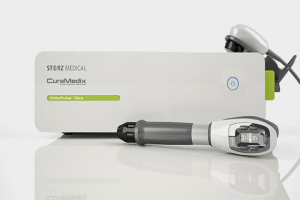
Powered by STORZ Medical
The OrthoPulse Ultra 100 is recognized as one of the best shockwave therapy devices. It delivers outstanding results for treating musculoskeletal pain with precision and innovation.
- Industry-leading radial pressure wave (EPAT®) device
- Wide range of settings
- Clinical and economic value
📄 Download the OrthoPulse Ultra 100 Info Sheet
Healthcare professionals utilize Extracorporeal Shockwave Therapy (ESWT) for non-invasive treatment of a wide range of orthopedic disorders, including:
- Foot and ankle
- Lower Extremities
Focused Shockwave (ESWT) devices powered by STORZ Medical to consider for your practice:
DUOLITH® SD1 T-TOP Ultra.png?width=300&name=duolith-sd1-t-top-ultra%20(2).png)
Powered by STORZ Medical
The DUOLITH® SD1 T-TOP Ultra shines as one of the best shockwave therapy devices, featuring patented electromagnetic "Cylindrical Source" technology. It delivers precise, non-invasive treatments for chronic conditions like plantar fasciitis, offering adjustable depth, a large focal zone, and seamless integration to enhance patient outcomes and practice efficiency.
The DUOLITH® SD1 T-TOP Ultra is:
- FDA-Approved focused shockwave
- Next generation shockwave
- Optimal quality and ergonomics
📄 Download the DUOLITH® SD1 TTOP Ultra Info Sheet
📺 Watch the DUOLITH® SD1 TTOP Ultra Product Video
DUOLITH® SD1 Ultra Modular System.png?width=300&name=duolith-sd1-t-top-ultra%20(1).png)
Powered by STORZ Medical
DUOLITH® SD1 Ultra Modular System is the Cadillac of shockwave therapy devices, setting the gold standard as one of the best shockwave therapy devices with unmatched precision, advanced features, and superior performance for treating musculoskeletal conditions.
All in one advanced modular system! The DUOLITH® SD1 Ultra system allows medical professionals to customize and combine Radial Pressure Wave (EPAT®) and Focused Shockwave (ESWT), complementary vibration, and vacuum therapies, with the option to integrate diagnostic ultrasound imaging. It’s a winning option for healthcare professionals who want the best in regenerative medicine technologies.📄 Download the DUOLITH® SD1 Ultra Modular System Info Sheet
📺 Watch the DUOLITH® SD1 Ultra Modular System Product Video
To discover more about these innovative technologies, read Disruptive Innovation Examples in Medicine: ESWT, EPAT, and EMTT
MAGNETOLITH®
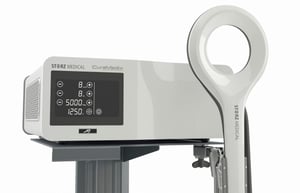
Powered by STORZ Medical
Extracorporeal Magnetotransduction Therapy (EMTT®) utilizes a high-oscillating electromagnetic field to target a specific treatment area. It offers versatile applications, exceptional patient comfort, and is user-friendly operation. Additionally, EMTT® is non-invasive, evidence-based, and exceptionally complementary to Shockwave, so it’s essential to consider this remarkable device.
📄 Download the MAGNETOLITH® Info Sheet
📺 Watch the MAGNETOLITH® Product Video
To discover more about these innovative technologies, read Shockwave and EMTT: Onboarding and Best Practices to Achieve Optimal Success.
By choosing the best Shockwave therapy device, you invest in transformative patient outcomes and set your practice apart.
Still unsure which is the best Shockwave therapy device for your practice? Reach out to a CuraMedix expert today for tailored advice to help you make the right choice. We’re here to answer any questions — contact us today!
Choosing the Best Shockwave Therapy Device FAQs
What factors should clinicians consider when choosing a Shockwave therapy device?
Clinicians should evaluate device performance, ease of use, clinical evidence, treatment versatility, and support for different musculoskeletal applications. It’s also important to consider training resources and integration into existing practice workflows.
How does Shockwave therapy compare to other non-invasive treatments?
Shockwave therapy provides targeted mechanical stimulation that can accelerate tissue healing and improve pain outcomes, distinguishing it from passive modalities like ultrasound or electrical stimulation. It’s often used when conservative care alone isn’t sufficient.
What conditions respond well to Shockwave therapy?
Musculoskeletal conditions such as tendinopathies, plantar fasciitis, chronic pain syndromes, and certain overuse injuries often respond well to Shockwave therapy. Patient selection and tailored treatment parameters help optimize outcomes.
How important is clinical evidence when selecting a Shockwave device?
Clinical evidence helps ensure that treatment outcomes are supported by research and real-world use, which gives clinicians confidence in their technology choices. Choosing devices with robust evidence can also support patient education and practice credibility.
Review clinical research supporting Shockwave technologies
Should training and support influence a Shockwave device purchase?
Yes, comprehensive training and ongoing technical support help clinicians deliver effective and safe treatments, especially when integrating new technology into practice. Strong vendor support can also reduce the learning curve.
Can Shockwave be combined with other regenerative treatments?
Shockwave can be integrated with orthobiologics, manual therapy, and other non-invasive modalities to create a comprehensive treatment approach that enhances tissue healing and functional outcomes.
Discover how Shockwave fits into a regenerative care modelWhat should patients know before undergoing Shockwave therapy?
Patients should understand the expected number of sessions, potential sensations during treatment, and how shockwave fits into their overall care plan. Clear communication about outcomes and timelines helps set realistic expectations.
Find out what to expect from Shockwave therapy sessionsIs Shockwave appropriate for all types of pain?
Shockwave is effective for many chronic and overuse musculoskeletal conditions, but it may not be appropriate for all types of pain — especially if the pain stems from systemic, inflammatory, or neurological causes. Clinician assessment guides proper use.
Learn which pain conditions Shockwave therapy serves best

