


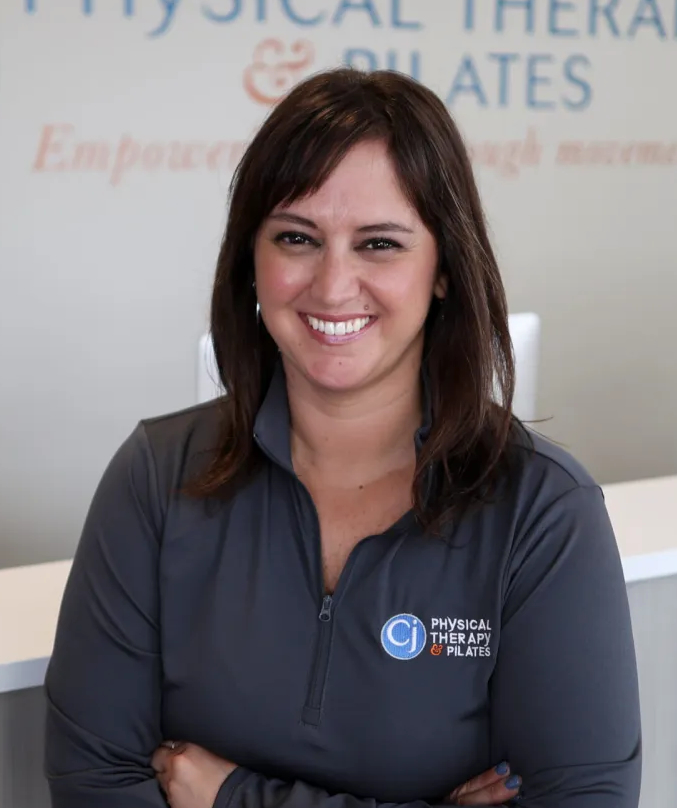
For Dr. Carrie Jose, DPT, founder of CJ Physical Therapy and Pilates in Portsmouth, New Hampshire, helping patients stay active has been a core goal at every stage of her practice’s development.
After growing frustrated with the volume demands of insurance-based care, she established a cash-pay practice built around individual attention and the time to understand each patient’s needs.
But even with a dedicated team and a successful one-on-one model, some injuries remained stubborn. Persistent pain, inflammation, and tendinopathy could slow progress, leaving patients frustrated before they experienced the benefits her team believed were possible.
The question became: “What more can we do for our patients?”
That search led Dr. Jose to Shockwave and, eventually, a multimodal approach that expanded her team’s treatment capabilities while creating new opportunities for the practice.
From Professional Skepticism to Clinical Confidence
Dr. Jose was initially skeptical when she encountered CuraMedix at an industry conference. Her practice emphasized mechanical treatment and strengthening, and she needed a compelling reason to introduce a new device into that approach.
Conversations with CuraMedix prompted her to investigate further. Research mattered to Dr. Jose, whose practice relies heavily on the McKenzie Method. She wanted to understand the evidence behind the technology and whether it aligned with her standards for care. “We want to make sure we’re doing high-quality things with high integrity,” she explains.
After reviewing the research and experiencing the technology, she invested in a Radial Pressure Wave (EPAT®) device. Patients responded positively, and Radial Pressure Wave became an established service over the following two years.
Her next concern was whether her clinicians would embrace it. “That’s honestly who I was most nervous about convincing: my team.” Her clinicians deliver most of the practice’s patient care, so successful integration depended on their understanding of the technology and confidence in its contribution.
In fact, as her clinicians began seeing progress in difficult cases, their enthusiasm grew, and confidence quickly followed.
Helping Patients Move Beyond Stubborn Injuries
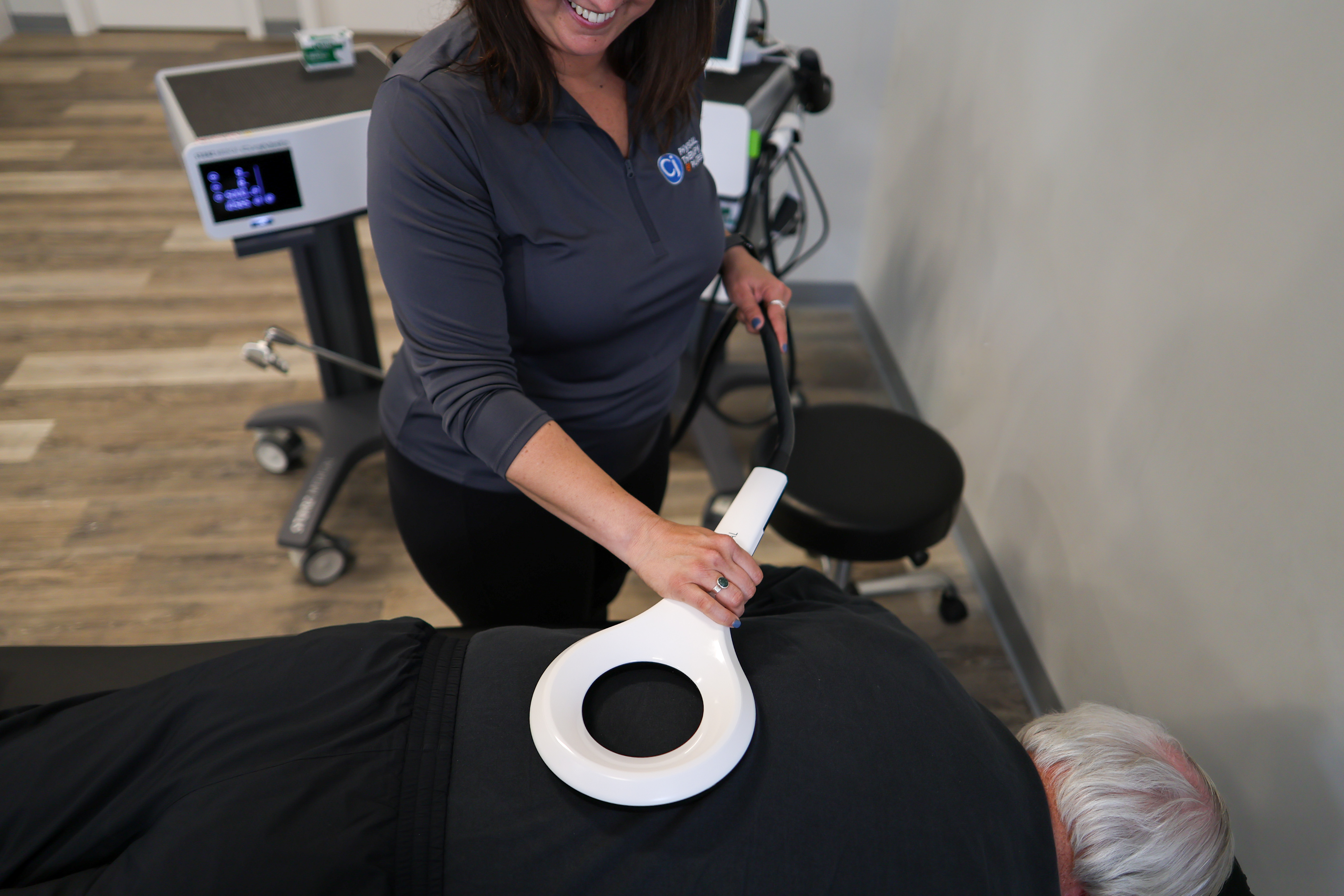 An Institute for Tissue Regeneration and Repair Conference in Boston led Dr. Jose to discover how Focused Shockwave (ESWT) and Extracorporeal Magnetotransduction Therapy (EMTT) could add to her practice.
She drove home with an EMTT device.
One patient’s experience would soon make that addition especially meaningful. The patient had previously received Radial Pressure Wave alongside physical therapy for frozen shoulder, with improvements in pain and progress through treatment. When she later developed frozen shoulder on the opposite side, the practice had added EMTT.
According to Dr. Jose, combining EMTT with the existing approach helped that second course of care move more quickly. With the same patient and treating clinician, the difference stood out.
Dr. Jose subsequently added Focused Shockwave, completing the practice’s combination of EPAT/ESWT and EMTT. Focused Shockwave and EMTT gave her team additional options for patients struggling with issues like arthritic joint pain and longstanding Achilles injuries.
Integrating Shockwave and EMTT into Multimodal Care
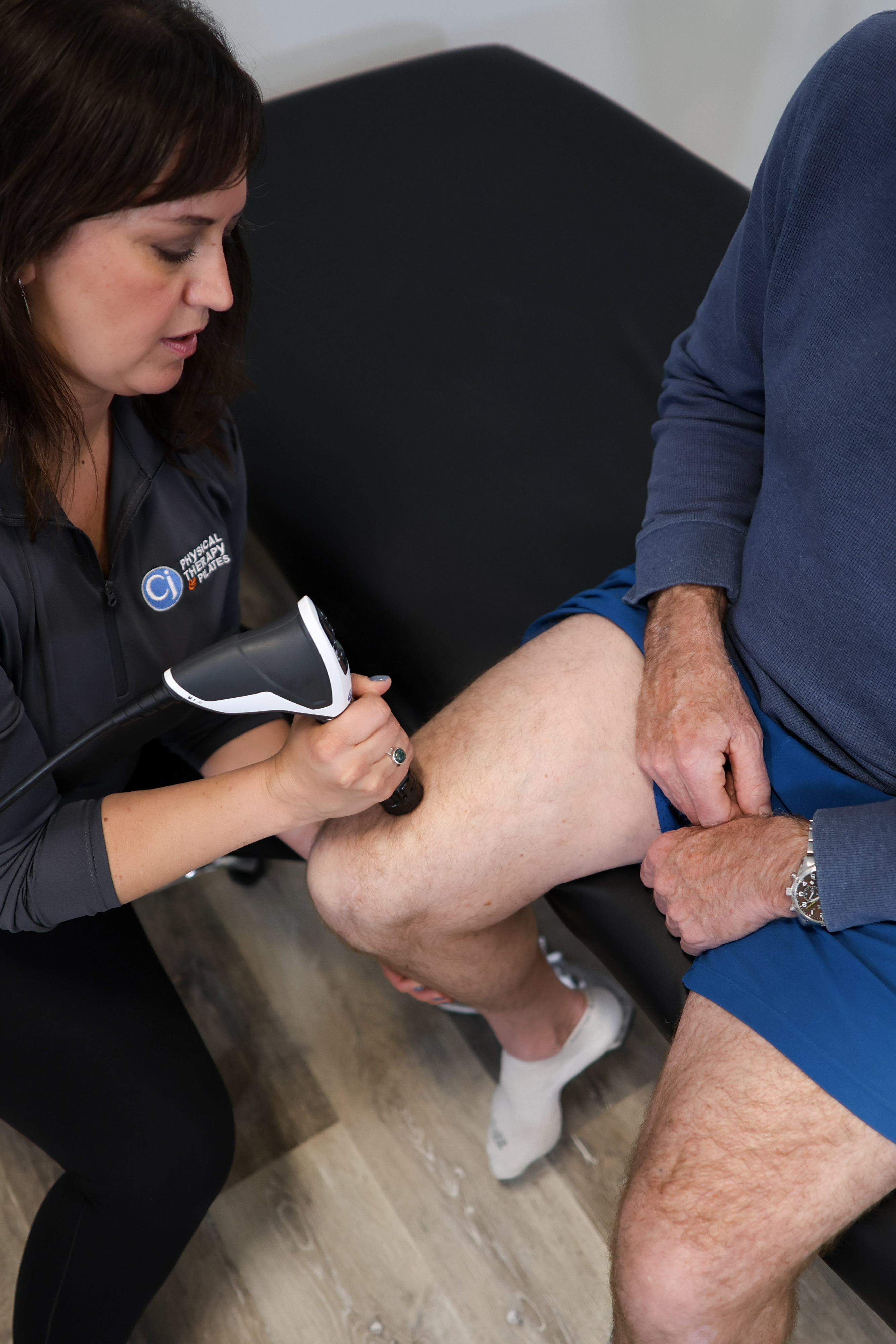 For Dr. Jose, the value of a multimodal approach lies in how its components work together. Mechanical treatment helps patients improve movement and joint function, while strengthening builds their ability to tolerate activity. EPAT/ESWT and EMTT provide additional ways to address the pain and tissue problems that can complicate that work.
Initially, the practice sold physical therapy and regenerative treatment packages separately. Clinicians then had to explain why a patient might benefit from purchasing both. Dr. Jose eventually brought the services together in a program called “Complete Care.” Patients now have three options:
- Mechanical treatment: Physical therapy visits focused on movement, joint function, and strengthening.
- Regenerative treatment: Sessions using EPAT/ESWT, EMTT, or a combination selected for the patient’s needs.
- Complete Care: A program combining mechanical and regenerative treatment visits within a coordinated plan.
The combined program simplified the conversation. Patients could see how the services fit together, and clinicians could present the recommended approach without asking them to assemble separate packages. Appointments can be scheduled back to back, allowing patients to receive both components during one trip to the practice. The team also has flexibility to add EMTT to an existing visit when appropriate.
The change also improved uptake. Her team had struggled to consistently recommend the separate regenerative packages. Once combined with physical therapy, the programs were, in Dr. Jose’s words, “selling off the shelves.”
Expanding Care, Growing the Practice
Demand grew to the point that the team was managing waiting lists and having to strategically coordinate access to the devices. Dr. Jose responded by investing in a second complete set of EPAT/ESWT and EMTT equipment.
The services also expanded the earning potential of her one-on-one model. With limits to how much she could charge for a physical therapy visit, regenerative treatment created another source of revenue to support the practice and competitive clinician compensation.
Some patients now come exclusively for regenerative treatment, returning periodically for what Dr. Jose describes as “tune-ups” to help support active routines that include gym workouts and pickleball.
Helping Patients Make Informed Treatment Decisions
Introducing these options also required attention to how clinicians discuss them. Dr. Jose understands why physical therapists can feel uncomfortable with the idea of selling a service. Her coaching starts with the patient’s right to understand the available choices.
“Your job is to make sure they have all the information they need to make their best decision,” she says.
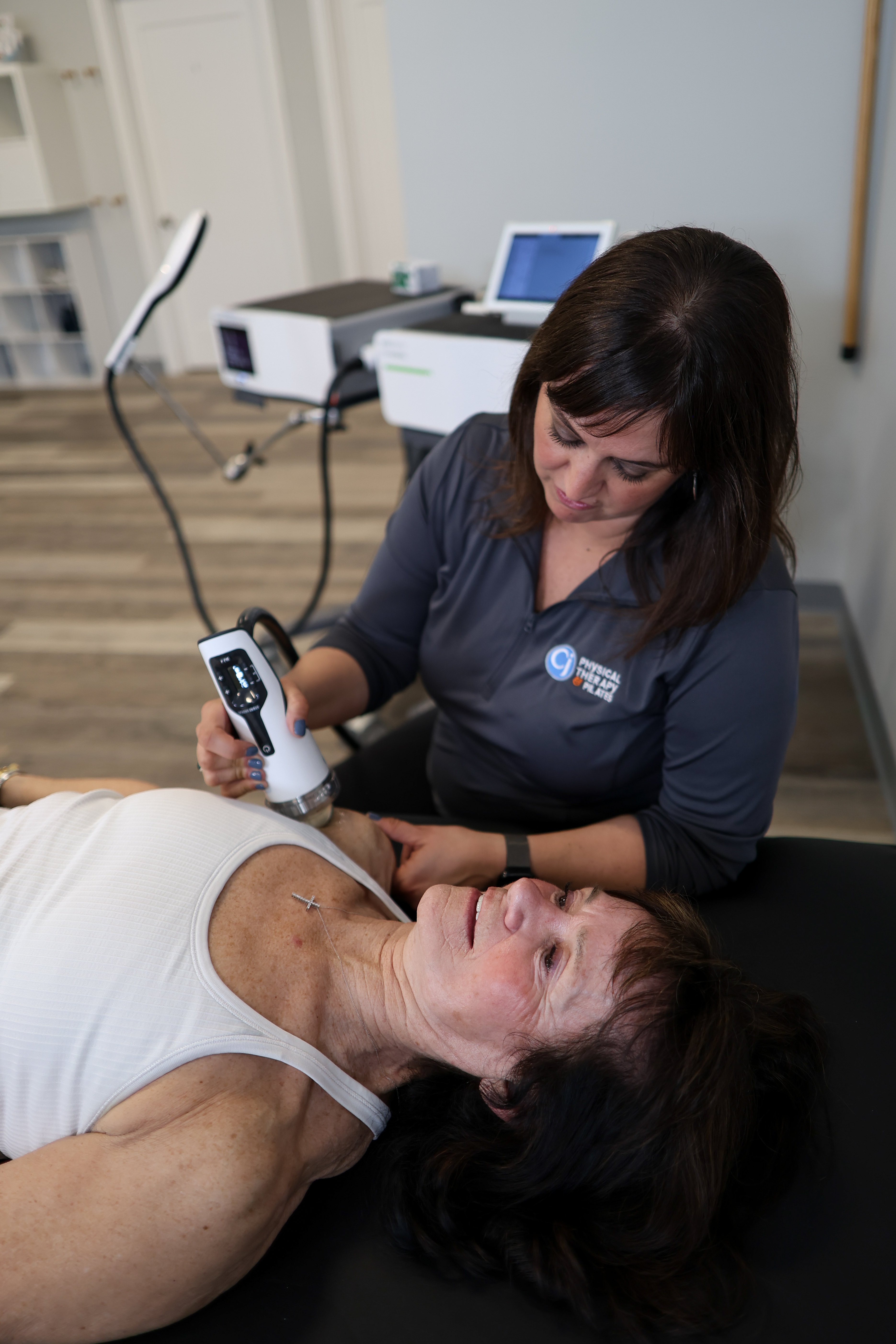 That means connecting the recommendation to what the patient wants to accomplish, explaining how treatment fits into the plan, and leaving the decision with them. For patients seeking non-invasive options, understanding the purpose of EPAT/ESWT and EMTT can make the conversation easier.
It also means discussing expectations. Some patients arrive hoping that a device-based treatment will address everything. Dr. Jose explains that movement work and strengthening may still be necessary, and the patient’s response helps guide what comes next.
For patients considering a joint replacement, she discusses both the opportunity to explore conservative care and the possibility that surgery may ultimately remain appropriate. In those cases, the goals of treatment can include preparing for surgery and supporting rehabilitation afterward.
Throughout these conversations, her focus stays on helping patients understand their choices and participate in the plan.
Interested in incorporating Shockwave and EMTT into your practice? Contact CuraMedix to explore the technologies, training, and support available to help you take the next step.
The experiences described in this profile are specific to Dr. Jose and her practice. They represent individual clinical observations and should not be interpreted as established efficacy claims for EPAT/ESWT or EMTT.

